



Nanga Parbat Expedition – 45-Day Diamir Face Climbing Adventure
Season: June to August
Duration: 45 Days (Islamabad to Islamabad)
Route: Islamabad – Chilas – Diamoroi – Upper Saher – Diamir Base Camp
Grade: Strenuous
Max Altitude: 8125 meters
Region: Western Himalayas, Gilgit-Baltistan, Pakistan
Group Size: Minimum 5 persons
About Nanga Parbat
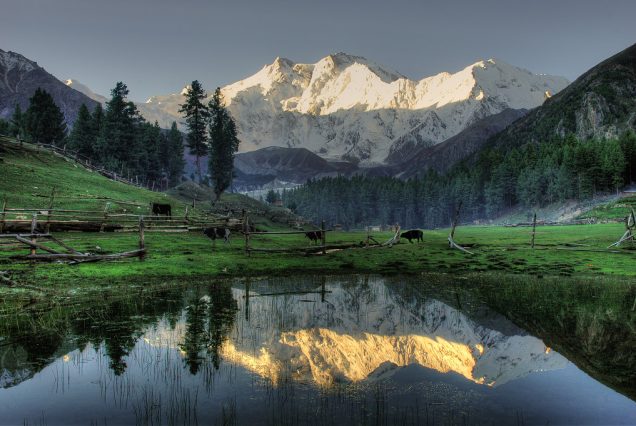
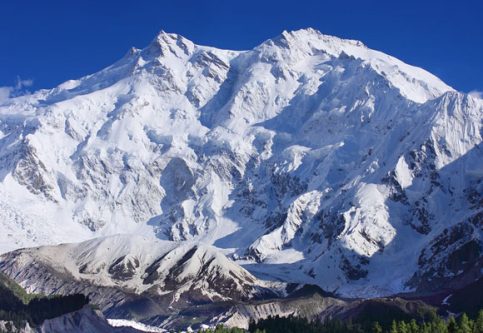
Nanga Parbat, meaning “Naked Mountain” in Sanskrit, is the ninth highest mountain in the world and the second highest peak in Pakistan. Rising dramatically above the Indus River, it marks the westernmost edge of the Himalayan Range, separated from the Karakoram by the Indus Valley.
Locally known as Diamir or “Abode of Fairies,” the mountain dominates the Diamer District of Gilgit-Baltistan and is renowned for its steep relief, isolated position, and extreme vertical gain.
Unlike many single-summit peaks, Nanga Parbat forms a massive ridge system over 20 kilometers long, featuring multiple summits and some of the world’s most formidable mountain faces.
Major Faces of Nanga Parbat
-
Rupal Face – The highest mountain face on Earth, rising over 5,000 meters from base to summit
-
Raikot Face – Drops nearly 7,000 meters toward the Indus River, forming one of the deepest gorges in the world
-
Diamir Face (Expedition Route) – The western approach, historically significant and the most commonly climbed route
This expedition follows the Diamir Face, known for its logistical feasibility, established camps, and historical relevance.
Mountaineering History & Legacy
Nanga Parbat is often called the “Killer Mountain” due to its tragic early climbing history. The mountain claimed numerous lives before its first successful ascent.
-
Hermann Buhl achieved the first ascent in 1953, completing a legendary 41-hour solo push without supplemental oxygen, a milestone in high-altitude mountaineering.
-
In 1970, Reinhold Messner and his brother Günther Messner completed a traverse involving the Diamir Face; Günther tragically perished during the descent, cementing the mountain’s fearsome reputation.
-
Early attempts by climbers such as A. F. Mummery further illustrate the extreme objective dangers associated with the peak.
Today, Nanga Parbat remains a serious expedition objective that demands respect, preparation, and disciplined risk management.
Acclimatization & Climbing Strategy
The expedition follows a rotational acclimatization system, allowing climbers to adapt gradually to altitude while establishing higher camps on the Diamir Face. Weather windows, snow stability, and climber health dictate summit timing.
Key challenges include:
-
Prolonged exposure above 6,000 meters
-
Rapid weather changes
-
Avalanche-prone sections
-
Extreme cold and wind at high camps
Helicopter Rescue & Safety Policy
The Government of Pakistan requires a refundable helicopter rescue deposit of USD 10,000, or an official guarantee letter from the climber’s embassy, for all high-altitude expeditions.
-
The deposit is fully refundable if rescue services are not used
-
A USD 300 service charge is deducted for processing
This policy ensures rapid access to high-altitude emergency rescue when conditions allow.
Why Join This Expedition
Nanga Parbat is not just a summit attempt,it is a journey through Himalayan history, extreme terrain, and personal endurance. Our expedition is professionally managed with a strong focus on:
-
Route knowledge and logistics
-
Camp organization and safety protocols
-
Transparent communication and support
This climb is suited for mountaineers who understand that success on Nanga Parbat depends as much on discipline and judgment as on strength.
Take the Next Step
If you are prepared for one of the world’s most demanding 8,000-meter expeditions, the Diamir Face of Nanga Parbat offers a challenge few mountains can match.
Request the detailed itinerary and expedition requirements to begin your application.
Included/Excluded
- Visa support and documentation
- Liaison with government offices for permits
- Hotel accommodation in cities and towns
- 4WD transportation to/from trekking routes
- Portage of 75kg per person to Base Camp & 50kg for return
- All meals during the trek and at Base Camp
- Full camping setup including tents, mess/kitchen tents, chairs, tables, and sleeping gear
- English-speaking guide, experienced cook, and support crew
- Wages and insurance of staff and porters as per government regulations
- Toll taxes, camping fees, mail forwarding, and airport services
- Coordination of emergency evacuation (cost not included)
- International airfare and airport taxes
- Government royalties and environmental bonds
- High altitude porters, food, and equipment beyond Base Camp
- Climbing gear (personal and technical)
- Helicopter evacuation costs
- Personal expenses (laundry, beverages, insurance, tips, etc.)
- High altitude oxygen, ropes, and specialized climbing kits
- HAPs above Base Camp (if required)
Tour Plan
Meet and greet at the airport. Transfer to hotel.
Official briefing and sightseeing of Islamabad/Rawalpindi (optional trip to Taxila). Overnight at hotel.
Travel on the legendary Karakoram Highway, crossing scenic towns and mountain gorges. Overnight at hotel.
Transfer via Bunar Daas and Halala Bridge. Trek begins. Overnight in tents.
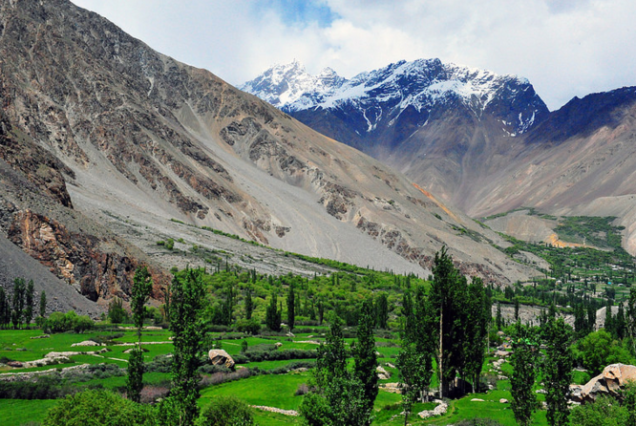
4–5 hours of steep trekking through birch woods and dramatic landscapes. Camp overnight.
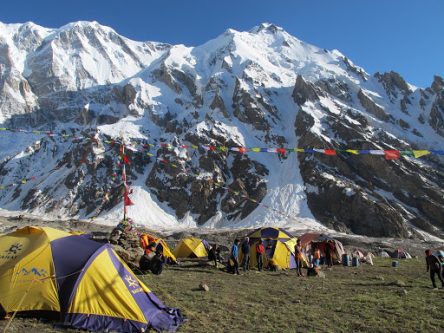
Ascend through shepherd settlements to reach the historic base camp. Camp overnight.
35 days reserved for establishing camps, acclimatizing, and summit attempts via Kinshofer or Messner Route.
Descend and camp overnight.
Drive from Bunar to Chilas. Hotel stay.
Drive along the Karakoram Highway. Hotel stay in Islamabad.
Farewell meeting at Alpine Club of Pakistan. Transfer to airport for departure.

- Govt License No. DTS-GB/TO-166
At Pak Adventure, we are passionate about delivering unforgettable travel experiences across Pakistan. Since 2009, we’ve been dedicated to showcasing the breathtaking beauty, rich culture, and hidden gems of this incredible country. Whether you’re looking for thrilling expeditions, scenic treks, cultural tours, or reliable transport services, we’ve got you covered.
Useful Links
Contact Info
- House no 2,Main Markaz Road, G/8-1, Islamabad.
- AT Office, Sadpara Road Skardu, Pakistan.
- 324 Beake Avenue, Coventry CV6 2HJ
- +447368858086
- +923160666744
- © 2025 Pak Adventure All Rights Reserved
- Powered By Execudea
Reviews
There are no reviews yet.