

Ever seen those stunning photos of Skardu turquoise lakes, snow-covered peaks, and golden valleys glowing under the sun and wondered, “When’s the best time to go there?” You’re not alone. Skardu looks like a dream, but here’s what most people don’t realize: timing is everything.
This isn’t one of those “visit anytime” destinations. The weather here decides your whole trip — from whether you’ll see K2’s mighty peak to whether the road to Deosai is even open. Pick the wrong month, and you might end up snowed in instead of sightseeing.
In this guide, we’ll break down Skardu’s weather month by month and season by season, so you know exactly when to visit and what to pack. Whether you want blooming apricot trees in spring, crystal-clear lakes in summer, golden valleys in fall, or snowy wonderlands in winter — we’ll help you plan your trip like a pro.
What’s Skardu’s Weather Really Like?
Skardu sits high up in the mountains. Really high. About 2,500 meters (8,202 feet) above sea level.
That height creates what weather experts call a cold desert climate. What does that mean for you? Freezing winters with tons of snow. Warm summers with almost no rain.
The mountain air makes everything extreme. Hot days turn cold at night. Weather can change in minutes.
Here’s what matters: Skardu has huge seasonal changes. Winter locks everything down. Roads close. Hotels shut. Attractions disappear under snow.
Summer opens everything up. Roads clear. Parks open. Adventures begin.
Spring and fall sit in between. Milder weather. Fewer crowds. Special scenery.
The city sits where two big rivers meet the Indus and Shigar. Giant peaks surround it, including K2. This creates weird weather zones. One area might be desert dry. Another might be green and lush.
When Does Heavy Snow Hit Skardu?
January and February turn Skardu into a frozen wonderland. Beautiful? Yes. Easy to visit? Not even close.
Here’s the cold truth:
- January: Days reach 3°C (37°F). Nights drop to -8°C (18°F).
- February: A bit warmer at 6°C (43°F). But nights still hit -4°C (25°F).
Pakistan’s weather service recorded Skardu as the country’s coldest city during these months. In December 2019, temperatures hit -21°C. That broke a 25-year record.
Snow doesn’t just sprinkle down. It piles up. High areas get several feet. Cities get buried. Roads vanish.
Can you travel here in winter?
| What You Need to Know | January | February |
|---|---|---|
| Roads | Often blocked by ice and snow | Hard to drive, sometimes possible |
| Flights | Cancel a lot | Cancel a lot |
| Tourists | Almost none | Almost none |
The main highway often closes from late November to February. Ice makes driving dangerous. You need a big 4×4 truck with special equipment.
Flights from Islamabad? Don’t count on them. Clouds block the mountain passes.
But wait there is a good side: Winter gives you something summer never does. Frozen lakes for photos. Real local culture without tourist crowds. Hotels that cost half the price.
When Do the Apricot Trees Bloom?
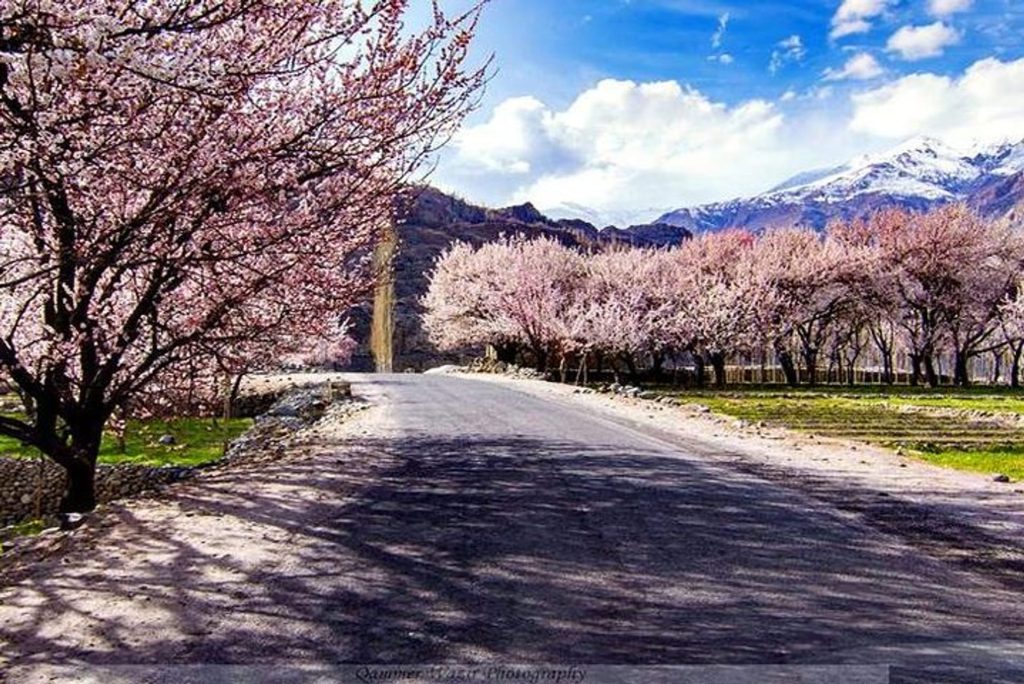
March and April bring magic. Valleys explode with pink and white flowers on every tree.
Weather gets better:
- March: Days hit 12°C (54°F). Nights stay at 2°C (36°F).
- April: Days reach 19°C (66°F). Nights warm to 7°C (45°F).
Nights stay cool. You might see surprise snow in early March. But by late March and April, days feel perfect for going outside.
This is when photographers go crazy.
From mid-March to late April, apricot, cherry, almond, and apple trees bloom. Lower valleys bloom first in mid-March. Higher areas bloom in late April and early May.
Best places to see flowers:
- Shigar Valley: Called the “Diamond of Skardu.” Pink and white flowers with huge mountains behind them.
- Khaplu Valley: Called the “Valley of Gardens.” An old palace surrounded by flower trees.
- Around Skardu: From the cold desert to the lakes, flowers everywhere.
The best time to see them? April 5-25. But the full season runs March 21 to May 15, depending on how high up you go.
Spring also opens up easier hiking trails. Snow melts on lower paths. Good for practice hikes before summer’s tough climbs.
The weather is nice. Crowds are small. Nature puts on a show.
When Is Peak Tourist Season (And Should You Go)?
May through July is when everyone comes. Roads open. Parks open. Everything opens.
Weather hits the sweet spot:
- May: 23°C (73°F) days, 10°C (50°F) nights
- June: 29°C (84°F) days, 13°C (55°F) nights
- July: 32°C (90°F) days, 16°C (61°F) nights
Days are warm and sunny. Blue skies everywhere. Nights stay cool for sleeping. July gets warmest. You might see afternoon rain.
Why everyone shows up:
| What You Can Do | May | June | July |
|---|---|---|---|
| Hiking (all heights) | Starting | Best | Best |
| Lake trips | Great | Great | Great |
| Deosai Park | Opens mid-May | Fully open | Fully open |
| K2 views | You can go | Best views | Good views |
| Local festivals | Good | Great | Best time |
Summer opens everything: K2 Base Camp hikes, glacier walks, boat rides on lakes, the famous polo festival in July, and mountain climbing trips.
The problems:
- Book rooms 2-3 months early. Hotels fill up fast.
- Prices jump 50-100% higher in July-August.
- Roads are open but packed with cars.
- July brings some rain storms. Bring rain gear.
Should you come during peak season? If you want to see everything and don’t mind crowds, yes. If you want quiet and lower prices, keep reading.
When Does Deosai Park Open?
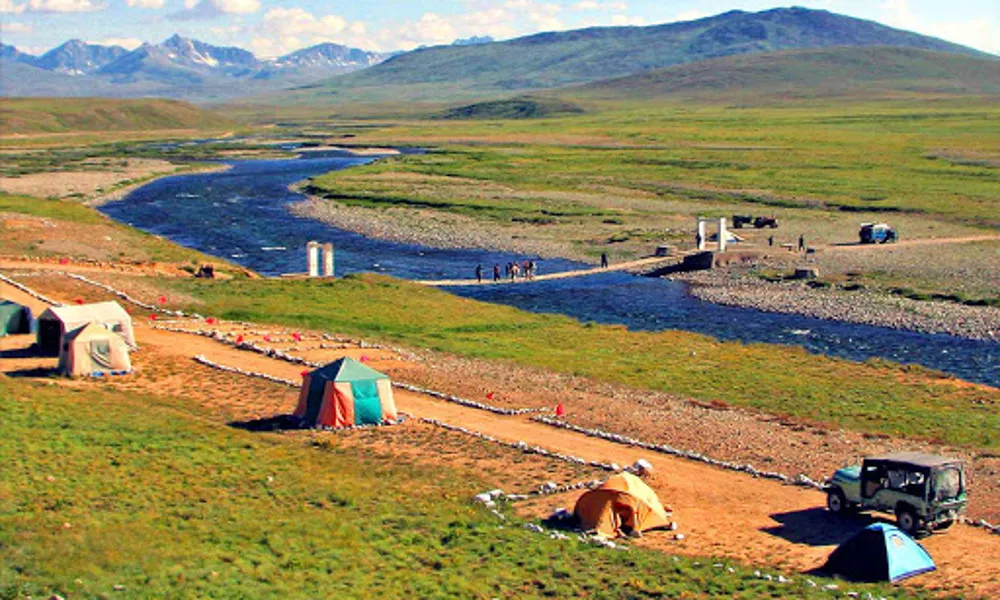
August and September give you the best deal everything’s open like summer, but without the big crowds.
Weather changes:
- August: 31°C (88°F) days, 16°C (61°F) nights
- September: 27°C (81°F) days, 11°C (52°F) nights
August stays warm but gets a bit humid. You might see afternoon rain. September brings cooler, crisp air. Many smart travelers call it the best month.
Deosai National Park one of the world’s highest plateaus at 4,114 meters (13,497 feet)—hits its best.
What makes August-September special:
- See animals: Best time to spot Himalayan brown bears, wild goats, and birds
- See wildflowers: August covers the plateau in bright flowers, including rare blue poppies
- See Sheosar Lake: Clear mountain lake surrounded by flowers
- Camp out: Perfect weather for sleeping under the stars
The park closes in late October when snow comes. So August-September is your window.
September is especially good for hiking. Fewer crowds than summer. Nice daytime temps. Clear mountain views.
When Should Photographers Visit?

October and November turn Skardu gold. Trees change color. Mountain air gets crisp. Every photo looks perfect.
Weather cools down:
- October: 20°C (68°F) days, 4°C (39°F) nights
- November: 13°C (55°F) days, -2°C (28°F) nights
October feels nice during the day. But nights get cold. By November, winter is coming. Freezing nights. Maybe early snow in high places.
Best spots for fall photos:
- Shigar Valley: Golden trees reflecting in streams
- Khaplu Valley: Orange and red colors around an old palace
- Satpara Lake: Lake acts like a mirror for fall colors
- Shangrila Resort: Golden trees framing the lake
- Skardu Fort: Old fort with autumn valleys around it
Why fall wins:
- Fewer tourists: Summer crowds are gone. You get peaceful trips.
- Good weather: October gives dry, clear days. Perfect for hiking and sightseeing.
- Nice temperatures: Warm days without summer heat. Bring layers.
- Clear views: Fall air lets you see mountains clearly.
Trees turn red, yellow, orange, and gold. Snow-covered peaks behind them. It’s stunning.
When Does Winter Start?
December is when winter really hits. First big snows fall. Everything turns white.
Early winter weather:
- Days: 7°C (45°F)
- Nights: -6°C (21°F)
- Daylight: Only about 10 hours (shortest day around December 17)
Snow usually starts in late November but gets heavy in December. High mountains get snow by mid-November. Skardu city gets a lot by early December.
During cold snaps, temps can drop to -11°C or -15°C. Coldest times are late December through January.
What December gives you:
- Cheap prices: Hotel rooms cost way less.
- Winter beauty: Fresh snow covers everything. Great for photos. No crowds.
- Real culture: See how locals actually live in winter.
- Special activities: Walk on frozen lakes. Take winter photos. See amazing stars.
What December requires:
- Roads can close after snowstorms.
- Flights cancel a lot.
- Many hotels and restaurants close.
- You need serious winter gear and backup plans.
- You need a 4×4 truck with chains.
December works only for adventurous people who can handle challenges.
So When Should You Actually Go to Skardu?
The best time is May through September. Temps run 15-25°C (59-77°F). Roads are open. Parks are open. Everything works.
These six months give you nice weather, open roads, and all the services you need.
Why May-September wins:
Good Weather: Summer gives you the most predictable weather. Blue skies most days. Almost no rain. Perfect temps for doing stuff outside.
Open Roads: All main roads are open. The tough highway from Gilgit works fine. Roads to Deosai work. Roads to small valleys work. You can go anywhere.
Parks Are Open: Deosai Park opens mid-June through early October. You can only visit during this time. The park has wildflowers, brown bears, and a beautiful lake. Summer only.
Hiking Season: May through September is the main hiking time. K2 Base Camp trail works. Glacier trails work. Snow clears from mountain passes. Camps are set up.
Everything Works: Hotels open. Restaurants open. Tour guides work. Flights run regularly. Jeeps are available. Everything operates normally.
Other timing ideas:
Want fewer people? May and September have great weather but way fewer tourists than July-August. Better prices. Easier to book rooms. More personal experiences.
Want to see flowers? Mid-March through April shows Skardu at its prettiest. Trees bloom with pink and white flowers. Cooler than summer. Amazing photos.
Want fall colors? October brings golden trees and clear air. Perfect for photos and easy hiking. Not many people around.
Want snow? December through February gives you winter beauty. But you need flexibility, good gear, and you can’t go many places.
The sweet spot: June and September are the best months. Great weather. Not too crowded.
How Much Snow Actually Falls?
You need to know snow patterns if you’re coming in winter.
| Month | Snow Amount | Days with Snow | Can You Get Around? | What to Know |
|---|---|---|---|---|
| November | Light-Medium | 2-5 days | Pretty good | First snows up high |
| December | Medium | 3-8 days | Getting hard | Snow increases; starts piling up |
| January | Heavy | 5-12 days | Very hard | Most snow; lots of buildup |
| February | Heavy | 7-14 days | Hard | Snow keeps coming |
| March | Medium | 3-7 days | Getting better | Less snow; starts melting |
| April | Light | 1-3 days | Good | Maybe light snow up high |
How much snow really falls:
January-February: Most snow. Could reach several feet in the city. Even more in valleys and high places. Winter 2019-2020 broke 30-year records with crazy amounts of snow.
December: Early winter snow builds up. Usually 6-12 inches in Skardu city. Up to 2-3 feet in higher areas by month end.
November & March: In-between months with lighter snow. November’s early snow might not stick. March snow becomes rare as it gets warmer.
How it affects travel:
Roads: The main highway gets tough December through February. You need 4×4 trucks with chains. During heavy snow in January-February, sections might close while they clear snow.
Flights: Skardu airport has big problems in winter. Snow on runways. Clouds blocking mountains. Flights cancel a lot. Only 30-40% work in January-February.
Valley roads: Roads to Shigar, Khaplu, and other valleys usually work with good trucks. But roads to Deosai and high passes close completely October through May.
Record cold: Weather service recorded -21°C in December 2019. Coldest in 25 years. All-time coldest ever: -24.1°C in January.
What Should You Pack?
You need the right gear. Weather changes a lot between seasons. Even changes a lot between day and night in the same season.
Summer Packing (May-September)
Clothes in layers:
- Under layer: 3-4 shirts that pull sweat away (not cotton—get wool or synthetic)
- Middle layer: Fleece jacket or light down jacket for cool nights and high places
- Outer layer: Waterproof jacket with hood (good quality for July-August rain)
- Pants: 3 pairs quick-dry hiking pants, 1 pair shorts, 1 pair warm leggings for cold nights
Shoes:
- Main: Waterproof hiking boots that support your ankles (must have for hiking)
- Camp: Light sneakers or sandals for evenings
- Socks: 4-5 pairs of hiking socks (wool blend best), plus thin liner socks to stop blisters
Must-have accessories:
- Really good sunglasses (the mountain sun is super strong)
- Wide hat for daytime
- Warm hat for evenings
- Scarf or cloth for sun and dust
- Strong sunscreen (SPF 50+)
Remember: Mountain sun is crazy intense. You need sun protection even on cloudy days. Temps can drop to 5-10°C (41-50°F) at night even in summer.
Winter Packing (November-March)
Super warm clothes:
- Under: Thermal underwear (top and bottom)—2-3 sets, wool or synthetic
- Middle: Heavy fleece or wool sweaters (2-3), insulated pants
- Outer insulation: Heavy down jacket (rated for -20°C or colder)
- Outer shell: Waterproof, windproof jacket with hood
Winter shoes:
- Insulated, waterproof winter boots (rated for -20°C or colder)
- Thick wool socks (4-5 pairs)
- Gaiters to keep snow out of boots
Cold weather stuff:
- Insulated hat or face mask covering ears
- Insulated gloves and bigger mittens over them
- Heavy scarf or neck warmer
- Face mask for super cold days
- Hand warmers you throw away
- Lip balm with SPF (wind and cold hurt)
Spring/Fall Packing (March-April, October-November)
Flexible layers:
- Under: Sweat-wicking t-shirts (3) and long-sleeve shirts (2)
- Middle: Fleece jacket and light down vest
- Outer: Waterproof jacket with fleece inside
- Pants: Hiking pants (2-3 pairs), one warm fleece pant for evenings
Shoes that adapt:
- Waterproof hiking boots (for spring mud and fall rain)
- Warm socks (wool blend)
- Light gloves for morning cold
Pack These No Matter When You Go
Health and safety:
- First aid kit with altitude sickness medicine (Diamox), pain pills, antiseptic, bandages
- Your regular medicines (bring twice as much as you need)
- Water cleaning tablets or filter
Gear:
- Headlamp with extra batteries
- Power bank to charge your phone
- Camera with extra memory cards and batteries
- Hiking poles (really help at high places)
Daily bag stuff:
- 30-40L backpack for day trips
- Water bottles (2-3 liters)
- Energy snacks (nuts, dried fruit, energy bars)
Smart packing tips:
How to pack: Put daily stuff in a backpack. Put other gear in a big bag that porters carry on long hikes. Only carry what you need that day.
Buy stuff there: Skardu has stores selling good hiking gear if you forget things. But buy hiking boots before you go. You need to break them in first.
Always pack warmer: Bring clothes for 10-15°C colder than the weather says. Especially for high places.
How Does Weather Affect What You Can See?
Timing decides if you’ll see the places you came for.
Can You Visit Deosai Park All Year?
No. Deosai National Park—3,000 square kilometers at 4,114 meters (13,497 feet) high—only opens part of the year.
When it’s open:
- Opens: Mid-June (usually June 15-20)
- Best time: July-August
- Closes: Late October (usually last week)
The park sits so high that snow covers it 7-8 months every year. Even in summer, nights can freeze. Roads close when snow comes in late October. They don’t open until snow melts in June.
What weather lets you do:
See animals: Brown bears are most active July-August when it’s warmest and they have food. Go early morning or evening to see them.
See flowers: August is when flowers bloom. The whole plateau turns colorful. You’ll see rare blue poppies. This only happens during the short summer.
See Sheosar Lake: This high lake stays partly frozen until late June. Starts freezing again by October. July-August gives you clear water reflecting mountains.
What you need: You need 4×4 trucks all year because roads are rough. Get drivers who know high mountain driving.
When Can You See K2 From Skardu?
Some viewpoints around Skardu show K2—the world’s second-tallest mountain. But you need good weather to see it.
Best months to see K2:
- June: Clear skies after spring weather
- September-Early October: Fall air gives amazing views
June and September give you the best chance of clear skies. You can see 50+ kilometers on good days. July-August rain can block views. But early morning (6-8 AM) often works before afternoon clouds.
Shangrila Lake best times:
June-August: Resort is fully open. Lake has no ice. Perfect for boat rides. The famous heart-shaped island is open. All restaurants work.
September-October: Still great views. Plus fall colors reflecting in the water. Fewer people. Great for photos.
May & Late October: Pretty good. Cooler weather. Some places might close early.
November-April: Technically open. But lake activities don’t work. Heavy snow makes it hard to reach.
What About the Cold Desert—Open All Year?
Yes. Katpana Cold Desert is rare. You can go any time.
It sits at 2,226 meters (7,303 feet) near Skardu Airport. Open every season. Just a short 4×4 ride from the main road.
How it changes:
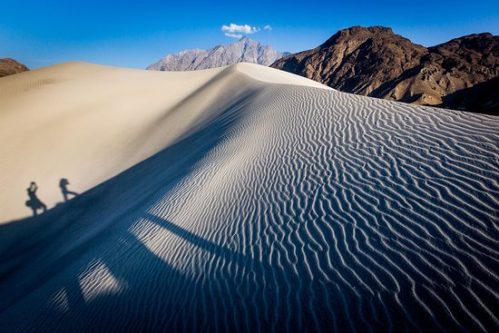
Summer (May-September): Golden sand under hot sun. Days can hit 25-30°C. But high altitude keeps it comfortable. Great photos with blue sky, golden sand, and mountains.
Winter (December-March): Snow covers the sand dunes. Weird and beautiful. Snow on sand is rare. Makes amazing photos. Temps drop to -10°C to -5°C. But you can still go.
Spring/Fall (March-May, October-November): Nice temps. Not too hot or cold. Spring sometimes shows snow patches with desert plants. Looks strange and cool.
What you can do:
- Photos (every season looks different)
- Sandboarding (when no snow)
- Camel rides (warmer months)
- Star watching (high up with no city lights makes stars amazing)
The desert is only 30 minutes from Skardu city. Easy day trip any season. But winter needs warm clothes and 4×4 trucks.
Your Common Weather Questions Answered
When Does It Snow?
Snow starts in late November and lasts through March. Heaviest snow falls in January and February. First big snow usually comes by early December. High mountains might get light snow in mid-November.
Snow in Skardu city reaches 6-18 inches in winter. Valleys and high places get 2-4 feet or more. Winter 2019-2020 broke 30-year records with tons of snow.
What’s the Coldest It Gets?
Coldest temperature ever recorded: -24.1°C (-11.4°F) in January.
Recently, Skardu hit -21°C (-6°F) in December 2019. That was the coldest in 25 years. Pakistan’s weather service called Skardu the country’s coldest city.
Normal winter lows in January-February run -8°C to -15°C (18-5°F). During cold waves, it drops even more.
Is December Good for Visiting?
December is tough. It works for adventurous people only.
Good things:
- Hotels cost 40-60% less ($20-80 per night)
- Beautiful fresh snow for photos
- See real local winter life
- Walk on frozen lakes, see amazing stars
Bad things:
- Super cold (-10°C to -20°C)
- Roads close after snow
- Flights cancel 60-70% of the time
- Many places close for winter
My advice: December works only if you’re prepared for winter, have backup plans, have good cold gear, and don’t mind missing some attractions. Most people should go May-September.
Can I Hike in Winter?
A little bit. But options are really limited. You need experts, special gear, and you accept big risks.
What you can do:
- Lower valley hikes: Short day hikes below 3,000 meters work (parts of Shigar Valley, trails near Skardu city). Need experienced guides, full winter mountain gear, emergency radios.
- Ice walking: Walk on frozen lakes and rivers. Cool experience. But experts must check if it’s safe first.
What you can’t do:
- High trails: All big hikes above 4,000 meters are closed and dangerous. K2 Base Camp, Baltoro Glacier, Concordia—all impossible in winter.
- Deosai Park: Totally closed November through May. Snow is too deep.
- Remote valleys: Hushe Valley and other far places close because roads close.
Best hiking time is June through September. All trails open. Weather is stable. Help is available if needed.
Ready to Plan Your Trip?
Skardu changes completely with each season. Summer opens everything for hiking. Spring covers valleys with flowers. Fall paints everything gold. Winter freezes it all in white beauty.
Knowing the weather helps you pick the right time for what you want.
For most people, May-September is best: Open roads. Nice weather. Open attractions. You can do everything.
But every season has its own magic if you’re ready for it.
The real question isn’t “when should I visit?”
The real question is: What do you want to see and do?
Figure that out. This guide just told you exactly when to book.
Ready to turn your Skardu dream into reality?
Let PakAdventure plan your perfect trip — from cozy stays to breathtaking routes. Whether you want to chase wildflowers, golden sunsets, or snowy peaks, we’ll make sure your journey is unforgettable.
Book your next adventure with PakAdventure — where every season in Skardu becomes your story.