

Why Sikh Heritage in Pakistan Matters More Than You Think
Pakistan holds a secret that surprises most people. Sikhism was born here.
The faith that millions follow worldwide started in these lands. Guru Nanak, the founder of Sikhism, was born in what is now Pakistan. He walked these streets. He taught his message of equality here. He built the first Sikh communities in Punjab, Pakistan.
Most people think Sikh heritage belongs only to India. They’re wrong; Pakistan is home to some of the most sacred sites in Sikhism. These are not just old buildings; they’re living pieces of history.
Today, dozens of gurdwaras stand across Pakistan. Some are famous. Many are forgotten. All of them tell stories that deserve to be heard.
A Land Where Sikhism Was Born
Guru Nanak was born here in 1469. The village was called Talwandi then. Now it’s Nankana Sahib. The Mughal Empire ruled the region, and religious tensions ran high. Guru Nanak’s message was revolutionary.
He preached equality. He said everyone was equal before God. He rejected the caste system. He spoke against empty rituals. These ideas challenged the powerful but inspired millions of people.
For centuries, Sikhs thrived in Punjab; they built empires, created art, defended their beliefs and left behind beautiful gurdwaras.
Then 1947 came. Partition changed everything.
A line was drawn on a map. It split Punjab in half. It tore apart communities. Millions of Sikhs left for India. They abandoned their homes. They left their gurdwaras behind. Many died during this journey.
What remained? About 30,000 to 35,000 Sikhs live in Pakistan today. Most are in Nankana Sahib and Hasan Abdal. Smaller communities exist in Lahore and Karachi.
But the heritage they left is massive. And it’s waiting to be rediscovered.
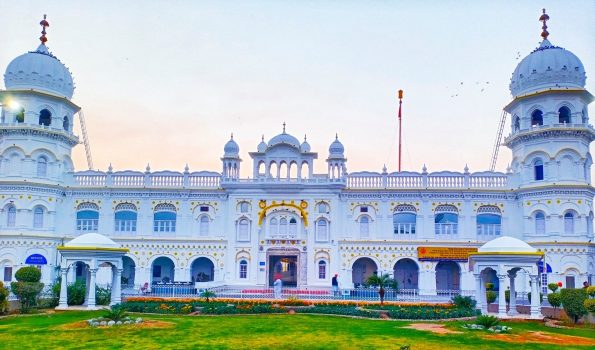
Where It All Began: Nankana Sahib and the Birth of Guru Nanak
Every Sikh dreams of visiting Nankana Sahib. This small city in Punjab is not just a place. It’s where everything started.
What Makes Gurdwara Janam Asthan So Special?
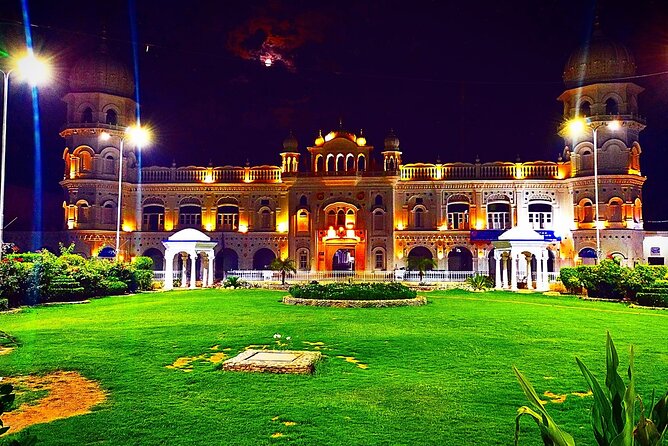
Gurdwara Janam Asthan marks Guru Nanak’s birthplace. The exact spot where he was born.
The white marble dome shines in the sun. Inside, the atmosphere is peaceful. Pilgrims come from around the world. They pray, reflect and feel closer to the Guru’s teachings.
The complex has several shrines. Each one marks a moment from Guru Nanak’s early life.
Gurdwara Patti Sahib stands where he studied as a child. Gurdwara Bal Leela celebrates its childhood play. Gurdwara Mal Ji Sahib is connected to a miracle involving his father’s cattle.
Together, they paint a picture. A boy who changed millions of lives. A teacher who shaped a faith.
The Story Behind the Shrine
Maharaja Ranjit Singh built the current structure. He visited the site between 1818 and 1819. Ranjit Singh was the legendary Sikh ruler. He understood something important.
Preserving sacred sites was not just about religion. It was about identity and memory.
His investment paid off. Even after the Sikh Empire fell, the shrine survived. Even after Partition tore Punjab apart, it endured.
Today, thousands visit Nankana Sahib every year. Pakistan has made it easier. The Pakistan Sikh Gurdwara Prabandhak Committee maintains the sites, and now the Visa processes have improved.
For many pilgrims, it’s a trip of a lifetime. A chance to connect with their roots.
Kartarpur Corridor: A Bridge Between Hearts and History
Nankana Sahib is where Sikhism began. Kartarpur is where it grew up.
Guru Nanak spent his last 18 years here. He farmed the land, taught his followers and built the first Sikh community. He also chose his successor, Guru Angad Dev Ji, here.
Why Kartarpur Changed Everything for Sikh Pilgrims
After the Partition, Kartarpur became impossible to reach. It sat just across the border from India. Sikhs could see the gurdwara. But they couldn’t visit it.
That changed in 2019. Pakistan and India opened the Kartarpur Corridor. It’s a visa-free crossing. Indian Sikhs can now visit without the usual paperwork.
The opening was emotional. Pilgrims cried as they crossed. They were visiting a place their grandparents left in 1947. Politics divided them, but Faith brought them back.
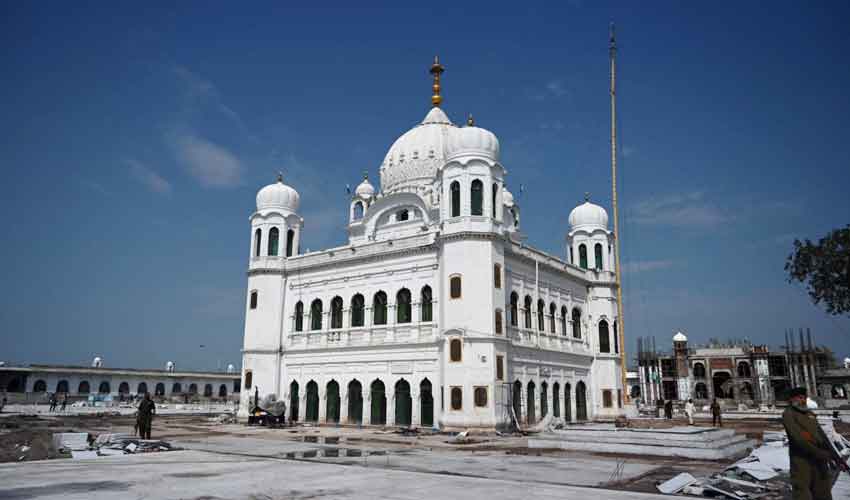
Walking Where Guru Nanak Spent His Final Years
Gurdwara Darbar Sahib Kartarpur is stunning. The Pakistani government recently renovated it. The complex can hold thousands of pilgrims.
Inside, the atmosphere is calm. People sit on the floor. They listen to kirtan. They absorb the history around them.
This isn’t just a pilgrimage site. It’s a symbol of hope. It shows what’s possible when heritage matters more than hostility. It proves that even bitter enemies can honour the past.
The Sacred Handprint: Gurdwara Panja Sahib
About 40 kilometres from Islamabad sits Hasan Abdal. This town holds one of Sikhism’s most revered shrines: Gurdwara Panja Sahib.
The name “Panja” means “hand.” And there’s a dramatic story behind it.
When Punjab Belonged to the Sikhs: The Empire That Changed Everything
Before the British came, Punjab had Sikh rulers. And it was magnificent.
Maharaja Ranjit Singh’s Legacy in Lahore
In the early 1800s, Maharaja Ranjit Singh unified Punjab. He created the Sikh Empire. Lahore became his capital.
His reign is remembered as a golden age, not just for Sikhs, but for everyone. Ranjit Singh was a secular ruler. He promoted tolerance. Muslims, Hindus, and Sikhs all held important positions.
His army was powerful, the government was efficient, and his vision was progressive.
He invested in building gurdwaras. He restored old ones. He understood that cultural heritage mattered as much as military strength.
The Samadhi of Ranjit Singh still stands in Lahore. It’s a marble masterpiece. It shows the grandeur of his empire.
But empires don’t last forever. After Ranjit Singh died in 1839, problems started. Internal fighting weakened the kingdom. The British took control after the Anglo-Sikh Wars. Punjab became part of British India.
The dream of Sikh sovereignty faded. Then 1947 brought something worse.
From Glory to Grief: What 1947 Did to Sikh Communities
Partition wasn’t just politics. It was a catastrophe.
Punjab, the heartland of Sikhism, was split in two. Communal violence erupted. Sikhs and Hindus fled to India. Muslims fled to Pakistan. Entire villages emptied overnight.
Families were torn apart. The death toll reached hundreds of thousands.
Before Partition, Sikhs made up 6.1% of Pakistan’s population. That’s about 1.67 million people. Within months, that number collapsed. Mass migration took hold.
Those who stayed faced violence. They faced discrimination. They faced an uncertain future.
Yet some Sikhs chose to remain. They held onto their gurdwaras. They kept their traditions alive and preserved their identity.
Today, their descendants still live in Pakistan. They’re quietly protecting a heritage that refuses to die.
Hidden Gems: Lesser-Known Sikh Sites You Shouldn’t Miss
Nankana Sahib, Kartarpur, and Panja Sahib are famous. But Pakistan has dozens of other important gurdwaras. Many are lesser-known. All are meaningful.
Gurdwara Dera Sahib in Lahore

This gurdwara sits in the heart of Lahore. It honours Guru Arjan Dev Ji, the fifth Guru of Sikhism.
Guru Arjan was martyred here in 1606. Mughal Emperor Jahangir ordered his death. This event changed Sikh history. The peaceful spiritual movement began taking up arms in self-defence.
The gurdwara is a place for reflection. During religious festivals, pilgrims gather here. They honour Guru Arjan’s sacrifice.
Gurdwara Shaheed Ganj Singh Singhania
Also in Lahore, this historic site honours Sikh martyrs. They died during the Mughal era. The structure has changed over time. But its significance remains.
For those interested in early Sikh resistance and resilience, this gurdwara tells the story. It reminds visitors of the price many paid for their faith.
What Happened to Pakistan’s Sikh Community After Partition?
The Mass Migration Nobody Talks About
Most Partition stories focus on violence and politics. But what about the everyday people? The ones who lost everything?
For Sikhs, Partition meant abandoning ancestral homes. Leaving gurdwaras that their grandfathers built. Walking away from land they’d farmed for generations.
The exodus was brutal. Trains carrying refugees were attacked. Families got separated. Women and children suffered terribly.
When it was over, the Sikh population in Pakistan had shrunk dramatically from over a million to just thousands.
Who Stayed Behind, and Why?
Not everyone left. Some Sikhs stayed, especially in rural areas. They believed the violence would end. They didn’t want to abandon their homes.
Others converted to Islam. A few kept their faith despite everything.
Today, Pakistan’s Sikh community is small but strong. Most live in Punjab, especially Nankana Sahib and Hasan Abdal. In these areas, they make up over 1% of the population.
Smaller communities exist in Lahore, Karachi, and Sialkot. Organizations like the Pakistan Sikh Gurdwara Prabandhak Committee support them.
Visiting Today: What You Need to Know
How Can You Visit These Sacred Sites?
Good news: visiting is easier now than ever before.
The Kartarpur Corridor allows visa-free access to Gurdwara Darbar Sahib. This is especially helpful for Indian Sikhs.
Other sites require a Pakistani visa. But the process has improved for pilgrims. Pakistan wants to promote religious tourism.
International travellers face fewer restrictions. If you’re planning a trip, consider Pakadventures tour operator. We are familiar with Sikh pilgrimage routes. We will handle logistics, arrange accommodations and ensure you experience these sites properly.
Best Time and Practical Tips
Visit during spring (March to May) or autumn (September to November). The weather is pleasant then. Major Sikh festivals like Vaisakhi and Guru Nanak’s birthday happen during these months. Large, vibrant crowds gather.
Practical tips:
- Dress modestly when visiting gurdwaras
- Cover your head before entering
- Remove your shoes at shrine entrances
- Join the langar (community meal)—it’s a beautiful tradition
- Respect photography rules inside certain areas
- Talk to local Sikh families if possible—their stories add depth
A Heritage That Refuses to Be Forgotten
Sikh heritage in Pakistan isn’t just history. It’s alive. It’s breathing. It’s a testament to faith and resilience.
From Guru Nanak’s birthplace to the corridors connecting divided nations, these sites matter. They remind us that some stories are bigger than borders.
Have you ever felt drawn to your heritage? Wanted to walk where your ancestors walked? To understand the history that shaped the world?
Consider Pakistan.
Visit Nankana Sahib. Cross the Kartarpur Corridor. Touch the sacred handprint at Panja Sahib. Let the stories sink in.
Can’t visit yet? Share this story. Support efforts to preserve these sites. Because heritage isn’t just about the past, it’s about keeping memories alive for future generations.
Let’s not let history fade. Let’s keep these stories alive.
FAQs
How many Sikhs currently live in Pakistan?
Between 30,000 and 35,000 Sikhs live in Pakistan today. Most are in Nankana Sahib, Hasan Abdal, Lahore, and Karachi.
Can Indian Sikhs visit Pakistan easily?
Yes. The Kartarpur Corridor offers visa-free access. For other sites, you need a Pakistani visa. But the process is now easier for pilgrims.
What is the most important Sikh site in Pakistan?
Gurdwara Janam Asthan in Nankana Sahib. It’s Guru Nanak’s birthplace and the most sacred site.
Are Sikh heritage sites well-maintained in Pakistan?
Yes. The government and the Pakistan Sikh Gurdwara Prabandhak Committee maintain most major sites well.
What happened to Sikhs during Partition?
Millions migrated to India during the violent 1947 Partition. The Sikh population dropped from 1.67 million to a small minority.
Is it safe for Sikh pilgrims to visit Pakistan?
Yes. Pakistan encourages Sikh pilgrimage. The government provides security and support for visitors.