


Have you ever dreamed of visiting a place where people live beyond 100 years, mountains touch the sky, and ancient cultures thrive untouched by time? Welcome to Hunza Valley – Pakistan’s most enchanting destination that promises to transform your understanding of natural beauty and human longevity.
Nestled in the heart of the Karakoram Range at 2,438 meters above sea level, Hunza Valley offers more than breathtaking scenery. This legendary valley, once the inspiration for James Hilton’s fictional Shangri-La, provides authentic cultural experiences, wellness discoveries, and adventure opportunities that create memories lasting a lifetime.
What Makes Hunza Valley Tours So Special?
Hunza Valley tours stand apart from typical mountain destinations because they combine spectacular natural beauty with living cultural heritage. You’ll witness the legendary longevity of the Hunzakut people, explore 700 year old fortresses, and experience hospitality that has welcomed travelers along the ancient Silk Road for centuries.
The valley’s unique position creates a natural amphitheater where towering peaks like the magnificent 7,788-meter Rakaposhi frame every view. But what truly distinguishes Hunza is its people – the Hunzakuts, renowned worldwide for their exceptional health, happiness, and lifespan that often extends well into their nineties and beyond.
Your Hunza Valley tour will immerse you in this remarkable culture while providing access to some of Pakistan’s most stunning landscapes and historical treasures.
Best Time to Visit Hunza Valley: When Should You Plan Your Tour?
The timing of your Hunza Valley tour dramatically impacts your experience. Each season offers distinct advantages and unique attractions:
Spring (March-May): The Blossom Paradise
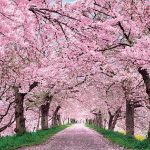
Spring transforms Hunza into nature’s grandest amphitheater. Millions of apricot and cherry trees burst into bloom, creating clouds of pink and white blossoms against snow-capped peaks. Temperatures range from 5°C to 20°C, perfect for photography and comfortable exploration.
Why visit in spring:
- Spectacular apricot and cherry blossoms
- Ideal photography conditions
- Spring Blossom Festival celebrations
- Comfortable temperatures for outdoor activities
Summer (June-August): Peak Adventure Season
Summer offers the best accessibility and warmest weather. Temperatures reach 15°C to 30°C, making this the ideal time for trekking, cultural immersion, and extended outdoor activities.
Summer advantages:
- Full accessibility to remote areas
- Optimal trekking conditions
- Green valleys and terraced fields
- Extended daylight hours
Autumn (September-October): Golden Harvest Season
Autumn creates perhaps the most visually spectacular season. The valley transforms into golden hues as harvest activities reach their peak. Temperatures range from 5°C to 20°C with crystal clear mountain air.
Autumn highlights:
- Stunning golden foliage
- Harvest participation opportunities
- Perfect photography lighting
- Comfortable touring weather
Winter (November-February): Cultural Immersion
Winter offers the most authentic cultural experiences, though with limited accessibility. Snow transforms the valley into a pristine wonderland, perfect for those seeking intimate cultural connections.
Winter benefits:
- Authentic traditional lifestyle experiences
- Snow-covered mountain landscapes
- Intimate cultural interactions
- Traditional craft workshops
Top Hunza Valley Attractions: Must-Visit Sites on Your Tour
Your Hunza Valley tour should include these essential attractions that showcase the region’s history, culture, and natural beauty:
Baltit Fort: A 700-Year Journey Through Time
Baltit Fort represents Hunza’s most iconic landmark. Founded in the 8th century, this UNESCO World Heritage tentative site served as the royal residence for over 700 years. The fort’s restoration, completed in 1996 by the Aga Khan Trust for Culture, earned multiple international awards.
Inside the fort, you will explore:
- Royal chambers with authentic artifacts
- Traditional architectural elements showing Tibetan influences
- Museum displays explaining regional history
- Panoramic valley views from elevated positions
Altit Fort: Gilgit-Baltistan’s Oldest Monument
Altit Fort holds the distinction of being the region’s oldest surviving monument, with its Shikari tower dating back 1,100 years. The successful restoration project transformed this ancient structure into a magnificent heritage site that received the UNESCO Asia Pacific Heritage Award in 2011.
Eagle’s Nest Viewpoint: Panoramic Mountain Theater
Located 10,000 feet above sea level in Duikar village, Eagle’s Nest provides arguably the most spectacular panoramic views in Hunza Valley. From this vantage point, you’ll witness views of eleven major snow capped peaks, including Rakaposhi, Ultar Sar, and Ladyfinger Peak.
The sunrise experience here is legendary among photographers, as dawn transforms the mountain amphitheater into golden and pink hues that create transformative moments.
Karimabad Bazaar: Cultural Shopping Experience
Karimabad Bazaar pulses with authentic Hunzakut life. This vibrant marketplace showcases:
- Traditional handwoven carpets and fabrics
- Famous Hunza aquamarine gemstones
- Dried fruits and apricot oil
- Traditional caps with elaborate embroidery
- Herbal teas and local honey
Attabad Lake: Nature’s Recent Masterpiece
Created by a massive landslide in 2010, Attabad Lake extends 21 kilometers with stunning turquoise waters. The lake offers boat tours, speedboat adventures, and swimming opportunities while telling the story of community resilience and adaptation.
Hunza Valley Tour Packages: Choose Your Perfect Adventure
Classic Hunza Experience Tour
This comprehensive package covers all essential attractions while providing deep cultural insights:
Inclusions:
- Karimabad old town exploration
- Altit and Baltit Fort visits
- Traditional Hunza cuisine experiences
- Handicraft workshops and bazaar visits
- Professional local guides
Duration: 5-7 days
Best for: First-time visitors, families, cultural enthusiasts
Hunza Cultural Immersion Tour
For deeper cultural understanding, this package offers unprecedented access to authentic Hunzakut life:
Unique experiences:
- Homestay with local families
- Participation in daily life activities
- Traditional crafts and cooking lessons
- Local festival attendance (seasonal)
Duration: 7-10 days
Best for: Cultural travelers, solo adventurers, wellness seekers
Hunza Photography Tour
Designed for photography enthusiasts, this specialized tour maximizes the valley’s visual opportunities:
Photography focus:
- Golden hour shoots at key locations
- Portrait sessions with locals
- Landscape composition workshops
- Traditional architecture documentation
Duration: 6-8 days
Best for: Photographers, artists, visual storytellers
Hunza Valley Culture: Discover the Secrets of Longevity
Your Hunza Valley tour provides unique access to one of the world’s most fascinating cultures. The Hunzakut people have attracted international attention due to their exceptional longevity and health outcomes, with many residents living well beyond 100 years while maintaining remarkable vitality.
The Hunza Diet: Food as Medicine
The traditional Hunza diet emphasizes:
- Organic, locally grown ingredients
- Ancient grains adapted to high-altitude conditions
- Fresh and dried fruits, particularly apricots
- Minimal meat consumption
- Traditional preparation methods preserving nutritional value
Traditional Wellness Practices
Hunzakut wellness traditions include:
- Mineral-rich glacier water consumption
- Active mountain lifestyle with natural exercise
- Stress-free environment and strong community bonds
- Traditional remedies using apricot oil and local herbs
- Integration of physical activity with daily tasks
Cultural Preservation Efforts
Your tour supports ongoing cultural preservation including:
- Burushaski language documentation
- Traditional craft maintenance
- Agricultural practice continuation
- Music and dance tradition preservation
Local Experiences: Authentic Hunza Valley Adventures
Traditional Harvest Participation
During harvest seasons, you can participate in:
- Apricot collection and traditional drying processes
- Walnut harvesting with family generations
- Traditional preservation method learning
- Community cooperation and social structure observation
Stone Oven Bread Making
Experience ancient bread-making traditions:
- Traditional oven construction principles
- Ancient grain variety utilization
- Community cooperation in baking schedules
- Natural fermentation and traditional techniques
Evening Family Gatherings
Traditional hospitality includes:
- Authentic Hunzakut cuisine in family settings
- Traditional storytelling and cultural wisdom sharing
- Music and entertainment using traditional instruments
- Language exchange opportunities with Burushaski speakers
Traditional Handicraft Workshops
Learn authentic artisanal skills:
- Textile weaving creating traditional paffu fabrics
- Embroidery techniques with cultural pattern meanings
- Woodcarving using local materials and traditional tools
- Gemstone working with famous Hunza aquamarine
Transportation and Accessibility: Getting to Hunza Valley
By Road:
- Karakoram Highway from Islamabad (approximately 600km)
- Journey duration: 10-12 hours
- Scenic route through multiple mountain passes
By Air:
- Fly to Gilgit Airport from Islamabad
- 2-hour drive from Gilgit to Karimabad
- Weather-dependent flight schedules
Local Transportation:
- Local jeeps for mountain access
- Walking tours for village exploration
- Traditional transportation integration
Accommodation Options: Where to Stay in Hunza Valley
Luxury Hotels
- Premium properties with mountain views
- Modern amenities with traditional design elements
- Fine dining featuring local and international cuisine
Heritage Guesthouses
- Traditional architecture with modern comfort
- Family-run establishments with personal service
- Authentic cultural atmosphere
Homestays
- Direct cultural immersion with local families
- Traditional meal preparation and sharing
- Language learning and cultural exchange opportunities
Camping and Adventure Lodges
- Outdoor accommodation for adventure seekers
- Basic facilities in spectacular natural settings
- Budget-friendly options for backpackers
Safety and Travel Tips for Hunza Valley Tours
Health Considerations
- High altitude acclimatization requirements
- Physical fitness recommendations for trekking
- Medical facility availability and limitations
- Emergency evacuation procedures
Cultural Sensitivity
- Dress code respect for local customs
- Photography permission protocols
- Religious site etiquette
- Traditional hospitality reciprocity
Packing Essentials
- Layer clothing for temperature variations
- Comfortable walking shoes for mountain terrain
- Sun protection for high-altitude exposure
- Camera equipment for spectacular scenery
Plan Your Transformative Hunza Valley Tour
Hunza Valley tours offer more than typical travel experiences – they provide transformative journeys into one of the world’s most remarkable cultures and spectacular landscapes. Whether you seek adventure, cultural understanding, wellness insights, or simply breathtaking natural beauty, Hunza Valley delivers experiences that create lasting memories and personal growth.
The valley’s combination of ancient wisdom, natural splendor, and living traditions creates unique opportunities for discovery and connection. Your Hunza Valley tour will introduce you to people who have mastered the art of living well, landscapes that inspire awe and reflection, and cultures that demonstrate humanity’s remarkable adaptability and resilience.
Ready to discover the secrets of longevity in the world’s most beautiful valley? Start planning your Hunza Valley tour today and prepare for a journey that will transform your understanding of what makes life truly extraordinary.
Contact Pak Adventure Team for customized Hunza Valley tours that provide authentic cultural immersion, breathtaking mountain adventures, and transformative wellness experiences—creating memories that last far beyond your return home.
Frequently Asked Questions
What is the best duration for a Hunza Valley tour?
A minimum of 5-7 days allows proper exploration of major attractions, while 10-14 days enables deeper cultural immersion and trekking opportunities.
Are Hunza Valley tours suitable for families with children?
Yes, Hunza offers excellent family experiences with gentle hiking trails, cultural activities, and safe environments. However, consider altitude effects on young children.
What makes Hunza Valley tours different from other mountain destinations?
Hunza combines spectacular natural beauty with living cultural heritage, offering unique insights into longevity traditions, ancient history, and authentic mountain community life.
How physically demanding are Hunza Valley tours?
Tour difficulty varies by package. Cultural tours require minimal physical activity, while trekking adventures demand good fitness levels. Most attractions are accessible with moderate walking.
What should I expect from local food during my Hunza Valley tour?
Traditional Hunza cuisine features organic fruits, ancient grains, minimal meat, and unique preparations like apricot soup. Food is generally healthy and contributes to the region’s longevity reputation.