

Imagine standing at the base of K2, the world’s second-highest mountain, surrounded by glacial peaks that scrape the sky. The air is thin. Your heart pounds not from the altitude, but from the sheer impossibility of what you’re seeing.
This isn’t a dream.
This is what happens when you take a Skardu tour through Pakistan’s Baltistan region.
But here’s the thing most travelers don’t know: Skardu isn’t just another mountain destination. It’s the secret gateway to four of the world’s 14 highest peaks, a place where ancient Buddhist carvings meet Islamic architecture, and where hospitality runs as deep as the glacial valleys.
And right now, you have a chance to experience it before the crowds catch on.
Why Skardu Should Be Your Next Adventure (The Numbers Don’t Lie)
While everyone’s talking about Nepal and Tibet, something incredible is happening in Pakistan’s north.
International visitors to Gilgit-Baltistan jumped 121% in 2024. CNN just named the region one of the top 25 places to visit in 2025. But here’s your advantage: with only 20,490 foreign tourists visiting last year, you’ll still have these landscapes mostly to yourself.
Compare that to Nepal’s Everest region, which sees over 35,000 trekkers annually. In Skardu, you get the same jaw-dropping mountain views without fighting for photo spots or waiting in line for tea houses.
The window is closing fast. Book now, or regret it later.
What Makes Skardu Tours Different (Hint: It’s Not Just the Mountains)
The “Throne Room of Mountain Gods”
Your Skardu tour isn’t complete without reaching Concordia, a place so spectacular that early explorers called it the “Throne Room of Mountain Gods.” From this single viewpoint, you’ll see K2, Broad Peak, Gasherbrum I and II, and dozens of other giants rising like frozen tsunamis around you.
The 72-kilometer trek through Baltoro Glacier (the world’s 5th longest non-polar glacier) takes you past:
- Trango Towers, vertical rock spires that defy gravity
- Cathedral Spires, nature’s gothic architecture
- Camps where legendary mountaineers prepared for history-making climbs
Pro tip: You don’t need technical climbing skills for the K2 base camp trek. Just good fitness and the right guide.
Lakes That Look Photoshopped (But Aren’t)
Think the Swiss Alps have monopolized pristine mountain lakes? Think again.
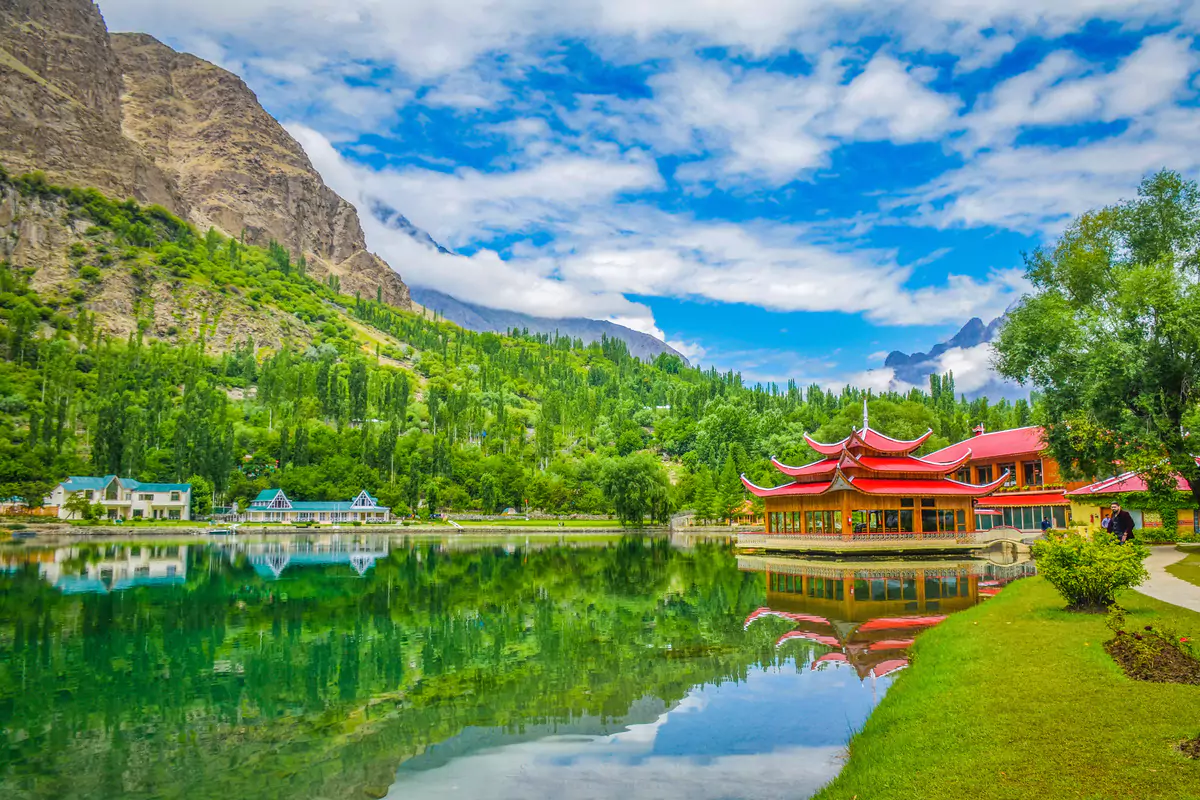
Satpara Lake sits like a turquoise gem at 2,636 meters, fed by glacial streams and surrounded by peaks. You can boat across its mirror-perfect surface or simply sit on the shore and watch the mountains reflect in the water.
Then there’s Shangrila Resort’s heart-shaped lake, yes, actually heart-shaped—where you can dine inside a converted 1953 airplane that crashed here decades ago and was transformed into a restaurant. (Talk about turning lemons into lemonade.)
But the real showstopper? Sheosar Lake in Deosai National Park sits at 4,114 meters and is surrounded by wildflower meadows that bloom in impossible colors every summer.
Where Buddhism Meets Islam (And It’s Beautiful)
Most mountain destinations give you scenery. Skardu gives you 1,400 years of living history.
At Manthal Buddha Rock, 8th-century Buddhist carvings emerge from granite boulders—evidence of when this region was a crucial stop on the Silk Road. The central Buddha sits surrounded by 20 Bodhisattvas, their faces worn smooth by centuries of weather but somehow still serene.
Then walk through Shigar Fort, a 400-year-old palace that’s been transformed into a heritage hotel by Serena. Sleep in rooms where Balti royalty once lived, surrounded by traditional woodwork and mountain views that haven’t changed in centuries.
Khaplu Palace tells a similar story—19th-century royal architecture now converted into a luxury experience, complete with 21 rooms filled with cultural artifacts and views that make you forget about Instagram.
The Deosai Experience: Planet Earth’s Hidden Secret
Here’s where your Skardu tour gets otherworldly.
Deosai National Park is the world’s second-highest plateau, sitting at an average elevation of 4,114 meters. Locals call it “Ghbiarsa”—the summer place—and when you see it, you’ll understand why.
From June to October (it’s completely snow-covered the rest of the year), Deosai transforms into:
- A wildflower carpet with over 300 species painting the landscape
- Home to Himalayan brown bears, snow leopards, and Tibetan wolves
- Endless views across rolling hills that stretch to the horizon
- Night skies are so clear you can see the Milky Way in detail
But here’s the catch: You need a 4×4 vehicle and an experienced driver. Most tourists try to DIY this and end up stuck or worse. Smart travelers book comprehensive Skardu tours that include proper vehicles, local guides, and camping equipment.
The Food Will Surprise You (In the Best Way)
Forget everything you think you know about “mountain food.”
Balti cuisine blends Tibetan, Central Asian, and Pakistani influences into something completely unique:
- Po Cha (Balti tea): Butter tea with yak butter and salt that sounds weird but tastes incredible after a day in thin air
- Balay: Hearty noodle soup with goat meat that warms you from the inside out
- Gyal: Buckwheat cakes with apricot oil (apricots are everywhere here)
- Fresh trout from glacial streams
- Dried fruits and nuts that locals have perfected over centuries
The hospitality hits different, too. Balti people are descendants of Tibetan ancestry with Islamic culture, creating a welcoming blend that most travelers say exceeds even legendary Pakistani hospitality.
When to Visit (Timing Is Everything)
Peak season runs April through October, but here’s the insider knowledge:
- May-June: Perfect weather, fewer crowds, spring flowers
- July-August: Peak wildflower bloom in Deosai, warmest weather
- September: Harvest season, cultural festivals, crisp, clear days
- October: Last chance before winter, dramatic autumn colors
The K2 trekking season is June-September only. Miss this window, and you wait another year.
Deosai is accessible June-October only. The park closes completely from November through May due to snow.
Book during shoulder seasons (May-June, September-October) for better prices and fewer crowds, but still incredible conditions.
Getting There (It’s Easier Than You Think)
By air: 45-minute flights from Islamabad to Skardu Airport on Pakistan International Airlines and Airblue. Pro tip: Flights are weather-dependent, so always have backup plans.
By road: 14-16-hour drive via the legendary Karakoram Highway. Sounds long, but the scenery makes it part of the adventure. Plus, you’ll see parts of Pakistan most tourists never experience.
New development: Direct flights from Dubai started recently, making Skardu more accessible for international travelers.
What Your Skardu Tour Should Include (Don’t Settle for Less)
Based on analyzing dozens of tour operators and thousands of traveler reviews, here’s what separates amazing Skardu tours from disappointing ones:
Essential Inclusions:
- Experienced local guides who know weather patterns, safety protocols, and cultural context
- Proper 4×4 vehicles with backup transportation
- Heritage accommodation options like Shigar Fort or Khaplu Palace
- Trekking permits handled in advance (6-week processing time)
- Emergency protocols for high-altitude situations
- Cultural experiences beyond just sightseeing
Red Flags to Avoid:
- Tours that skip acclimatization days
- Operators without proper trekking insurance
- Packages that don’t include permit processing
- Groups larger than 12 people for trekking portions
Your Next Step (Because Mountains Don’t Wait)
Here’s what most people do: They bookmark this article, plan to “look into it later,” and then life happens. Six months pass. A year. Suddenly, they’re watching someone else’s Skardu photos on Instagram, wondering “what if.”
Don’t be like most people.
The adventure tourism boom in Pakistan is accelerating. Skardu’s secret is getting out. Infrastructure is improving, which means easier access—but also more crowds and higher prices.
Your move: Research reputable tour operators now. Compare packages. Ask the hard questions about safety protocols, group sizes, and cancellation policies. Book your dates while shoulder season availability exists.
Because standing at K2 base camp isn’t just about the views (though they’ll change you), it’s about proving to yourself that you’re someone who says yes to extraordinary experiences. Someone who chooses the road less traveled while it’s still less traveled.
The mountains are calling.
Will you answer?
Ready to explore Skardu and beyond? Contact us today to discover our expertly crafted tours and secure your spot before the season fills up. Your journey starts here.